literature
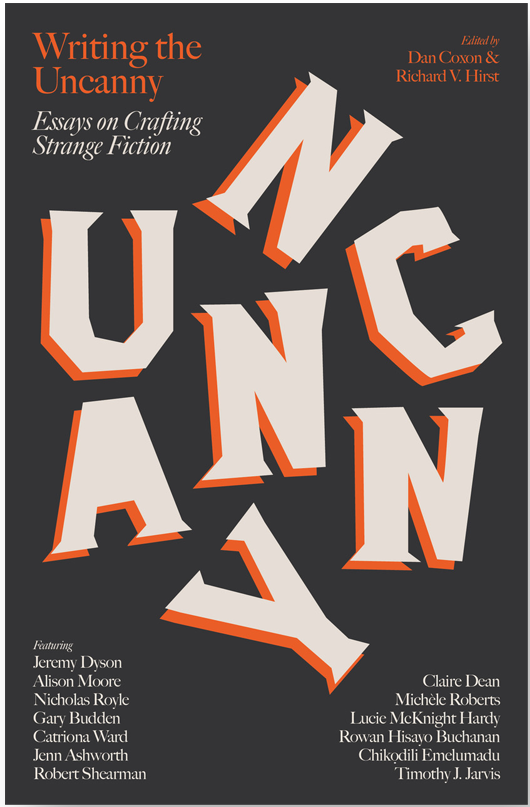
Writing the Uncanny
Dan Coxon and Richard V. Hirst (eds.) 23 references
Craft guide for writing uncanny fiction: withholding techniques, liminal space, ghost modes, cultural specificity, and how to produce the unheimlich effect across any genre.
uncanny horror-craft creative-writing ghost-fiction freud literary-craft speculative-fiction
Overview
The Core Framework
- The uncanny is not a genre — it's a mode: deployable in any fiction as ingredient or as its entire purpose
- The mechanism: Freud's unheimlich — the familiar made strange from within. "Heimlich" means both homely AND secretly concealed; the home was never fully safe
- The central craft rule: "Neither show nor tell: hint, suggest, allude, imply" (McKnight Hardy) — disclosure destroys the uncanny effect
- The deepest source: repressed material — histories, wounds, power structures — that returns when suppressed long enough
- The formal requirement: a sceptic-witness; without disbelief, there is no journey to dreadful belief
Quick Lookup
| Situation | Do This | Avoid This |
|---|---|---|
| Starting your story | Begin mundane, inside the familiar | Open with Gothic atmosphere or explicit menace |
| Building tension | Accumulate precise, deniably-odd details over a long stretch | Introduce a single supernatural reveal |
| Choosing what to disclose | Leave the source of unease unexplained | Name the monster, explain the mechanism |
| Picking a setting | Use a real, specific place you know well | Use generic Gothic tropes (old house, moors) |
| Writing a ghost | Choose the ghost's mode deliberately (visible/trace/active/POV) | Default to apparition cliché without purpose |
| Ending the story | Withhold resolution; end ambiguously or circularly | Provide catharsis or explanation |
| Drawing on culture | Use your own tradition's supernatural system | Lightly borrow from traditions you don't inhabit |
| Writing comedy | Remove the safety contract; make consequences permanent | Keep laughter consequence-free |
The Key Insight
"The most celebrated writers of the era are often not the most truthful voices — but the uncanny ones are." — Dan Coxon & Richard V. Hirst, (Introduction)
References
No references match your search.