business
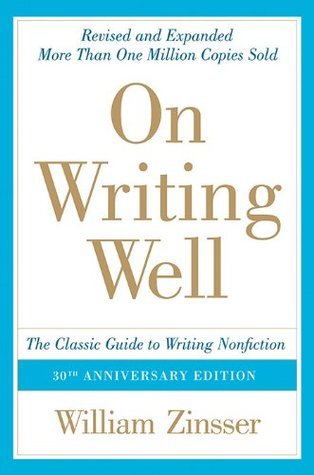
On Writing Well
William Zinsser 1976 13 references
Use this skill when writing, editing, or reviewing nonfiction prose — articles, reports, emails, memos, interviews, travel pieces, or any writing where clarity, compression, and authentic voice matter.
writing nonfiction-craft style clarity revision voice
Overview
The Core Framework
- Clear writing = clear thinking. Clutter in prose is clutter in the mind. You cannot write a clear sentence about a foggy idea.
- Strip before you build. The secret of good writing is to strip every sentence to its cleanest components. Target 50% reduction from first draft.
- Style is identity, not technique. Authentic voice emerges by removing the false self, not by adding stylistic devices.
- The reader's attention is the writer's primary obligation. Earn every sentence. Readers quit easily and blame the writer, not themselves.
- Quality is its own reward. Hold an internal standard regardless of venue, deadline, or editor pressure.
Quick Lookup
| Situation | Do This | Avoid This |
|---|---|---|
| Prose feels heavy | Bracket every non-working word; cut to 50% | Adding transitions to pad the problem |
| Voice sounds generic | Cut first 3-4 paragraphs; find where you first sound like yourself | Imitating a style you admire |
| Lead isn't working | Go back to research; the best leads come from sources others missed | Clever opening lines disconnected from content |
| Ending feels flat | Stop at the true climax, not the logical conclusion | Summarizing what was just argued (Section III trap) |
| Business writing sounds robotic | Locate the missing "I"; write as a human being | Concept nouns, passive constructions, jargon |
| Sentence feels weak | Replace passive construction with active verb | Adding adverbs to a weak verb |
The Key Insight
"Clutter is the disease of American writing. We are a society strangling in unnecessary words, circular constructions, pompous frills and meaningless jargon." — William Zinsser, Chapter 2: Simplicity
References
No references match your search.