ARG Design
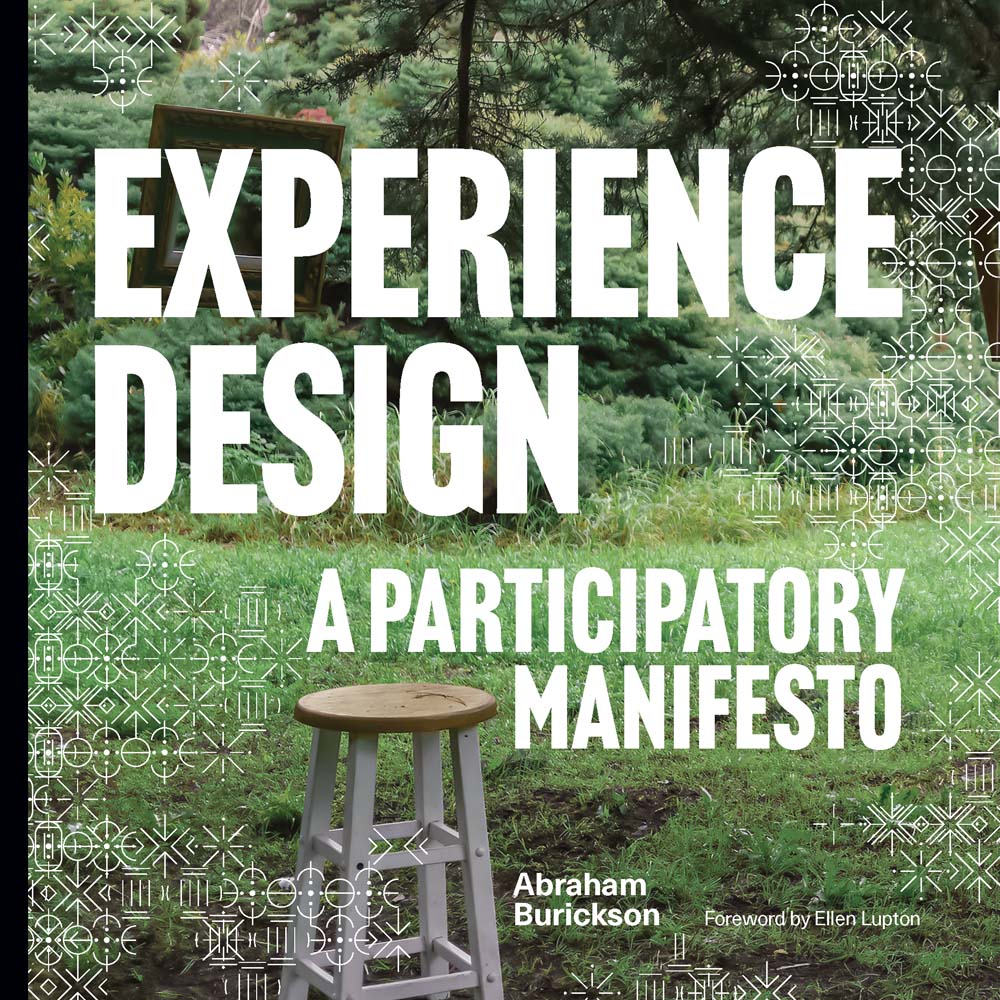
Experience Design: A Participatory Manifesto
Abraham Burickson 2023 12 references
Experience design principles from Abraham Burickson — use when designing experiences, events, immersive environments, rituals, worldbuilding, or any project where the goal is crafting lived human experience rather than objects.
experience-design participatory-design worldbuilding immersion empathy eventness narrative-design
Overview
The Core Framework
- All designs are experiences — shift from making things to crafting the lived minutes and hours of human life
- Phase Zero: Define the desired experience BEFORE choosing medium or form (experience → content → form)
- Five pillars: Empathy, Framing, Worldbuilding, Narrative, Comfort with the Unknown
- Participation is non-negotiable — audiences are co-creators, not passive consumers
- Eventness is when change happens — transformation requires irreversible, communal, embodied occasions
Quick Lookup
| Situation | Do This | Avoid This |
|---|---|---|
| Starting a new project | Run Phase Zero: define desired experience first | Jumping to form/medium before knowing the experiential aim |
| Researching your audience | Use 5-component empathetic research (embody, relate, include) | Relying only on surveys, personas, or behavioral metrics |
| Setting boundaries for an experience | Choose frame solidity deliberately (porous → solid) | Assuming one frame type fits all experiences |
| Immersion feels shallow | Layer: physical → psychological → ontological | Relying on novelty or spectacle alone |
| Building a world | Use four elements: Physics, Aesthetics, Population, History | Treating space as neutral backdrop |
| Designing narrative | Work across the full Human Story Spectrum | Treating narrative as optional decoration |
| Experience feels lifeless | Introduce genuine unknowns and relational openness | Over-scripting or controlling every variable |
| Planning a transformative event | Design for all five aspects of eventness | Making it pausable, replayable, or individualized |
| Documenting/planning | Create custom diagrams encoding experiential qualities | Using only floor plans, scripts, or wireframes |
The Key Insight
"What does it mean to design experiences? Traditional design practices invite us to design things, and to use those things to solve problems. But experience is not a problem; it is life." — Abraham Burickson, p. 2
References
No references match your search.