Key Principle
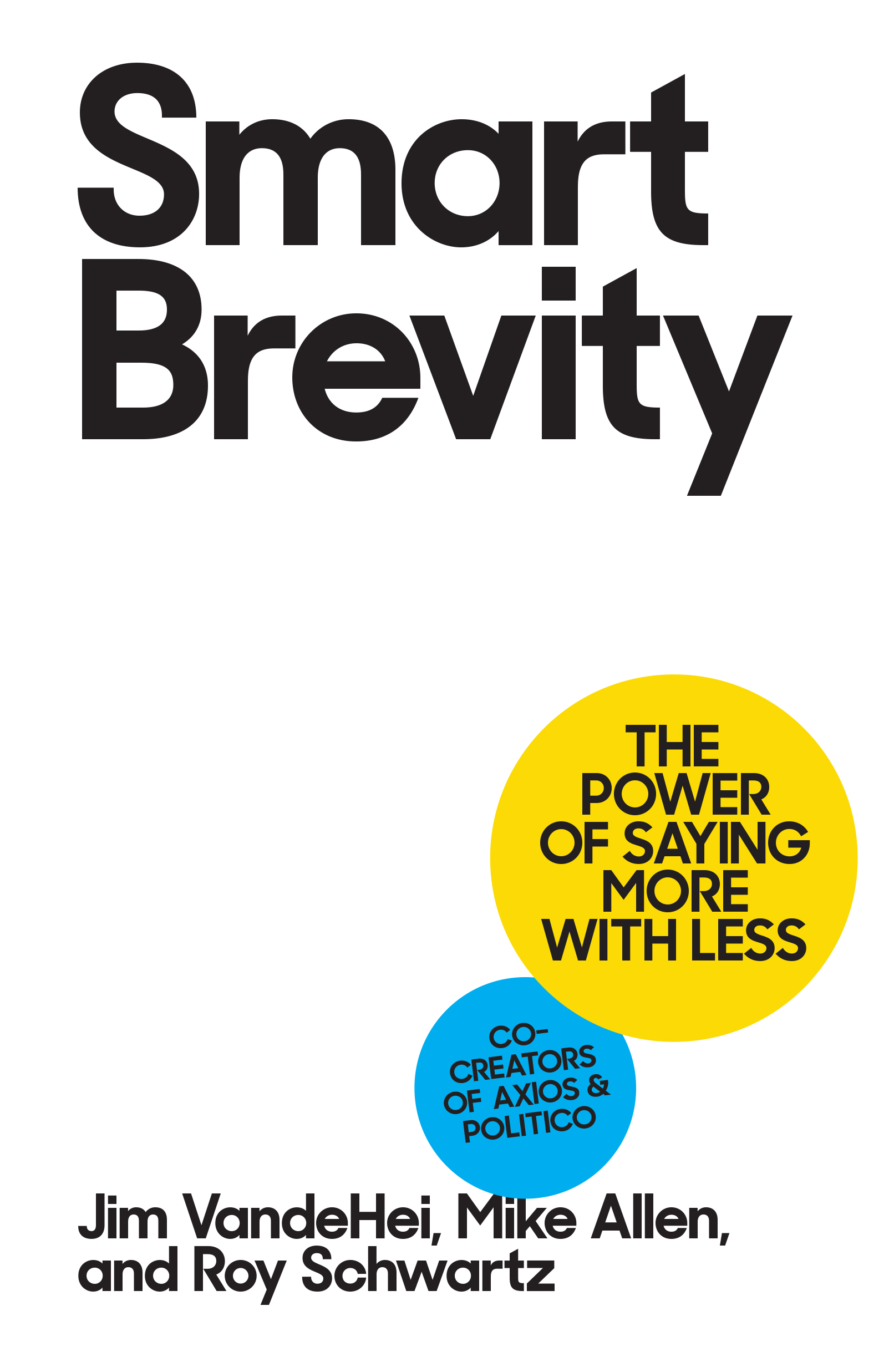
Smart Brevity is a four-part structural format — tease, lede, "why it matters," and "go deeper" — built on a single governing ethic: audience first. The Core 4 is described as "a straitjacket on your worst instincts or habits in communication. It's a way to clean up and frame your thinking — then deliver it with punch." (A Style Is Born). Every component has a specific job. Every word that does not serve a reader's need is waste.
The method's founding mantra is "Brevity is confidence. Length is fear." (Part 1 Introduction). This is not a preference — it is a diagnostic. Each additional sentence either earns its place or exposes insecurity.
Why This Matters
Most communication fails not because the underlying content is weak but because the format hides it. Writers default to front-loading credentials, context, and caveats because live conversation has been replaced by a medium with no real-time feedback loop. Without the correction signals a live audience provides, writing reverts to hedging and over-explanation. Smart Brevity manually recreates the discipline that conversational feedback would otherwise enforce.
The Core 4 solves a specific structural problem: writers know what they mean internally, but the gap between internal clarity and clear output is real. External format removes the decision burden. When the writer only has to focus on substance — not architecture — the result is sharper thinking as well as sharper writing. The beneficial side effect compounds at organizational scale: forcing prioritization before writing clarifies what actually matters.
Good Examples
The origin of the entire method was a mentor's blunt correction. Jim VandeHei's 1,200-word "beautiful, meandering prose" was returned with the verdict: "It's a pile of shit." The editor then pencil-revised the piece into the Core 4 structure on paper. The method was reverse-engineered from failure, not invented abstractly.
The Axios newsroom culture embedded "Brevity is confidence. Length is fear." as a physical artifact — "a lunch-spattered piece of paper" on the wall — making it a lived standard rather than abstract advice. When an organizational principle has a physical artifact, it becomes a norm, not a suggestion.
Organizations using Axios HQ — the enterprise implementation of Smart Brevity — "often see two or three times the engagement" compared to previous communications. Named adopters span the NFL, Roku, the Austin Texas mayor's office, school systems, and Realtors associations, confirming the framework travels across sectors.
Counterpoints
"Go Deeper" as permission to pad. The fourth component is opt-in additional content, but it must earn its place. Filler content in "Go Deeper" breaks the trust the entire structure builds. Writers who treat it as a dumping ground for everything they cut from the lede have inverted the logic.
Smart Jazz as cover for skipping mastery. Once the Core 4 is internalized, intentional deviation that better serves the audience is valid — the authors call this "Smart Jazz." But deviation is only legitimate after mastery. Invoking Smart Jazz as a rationalization for reverting to old habits is the primary failure mode of practitioners who learned the concept before internalizing the discipline.
The "Why It Matters" written as prose. Named bullets act as sub-teases — the eye tracks them faster than prose blocks. Presenting significance as a continuous paragraph re-introduces the very friction the Core 4 is designed to remove.
Key Quotes
"Brevity is confidence. Length is fear." — VandeHei, Allen & Schwartz, Part 1 Introduction
"Think of Smart Brevity as a straitjacket on your worst instincts or habits in communication. It's a way to clean up and frame your thinking — then deliver it with punch." — VandeHei, Allen & Schwartz, A Style Is Born
"If you see everything, you remember nothing." — VandeHei, Allen & Schwartz, A Style Is Born
"Don't force someone to read or hear more than they want. Make it their decision. If they decide 'yes,' what follows should be truly worth their time." — VandeHei, Allen & Schwartz, Smart Brevity's Core 4
"Smart Brevity is music theory — it gives you logic and elegance. But that magnificent architecture leaves room for . . . jazz." — VandeHei, Allen & Schwartz, Smart Jazz chapter
Rules of Thumb
- Before writing a single word, name the one thing you want the reader to retain — that is your lede.
- The tease is six words or fewer; treat it as a promise, not a label.
- The "Why It Matters" section uses named bullets, never a prose paragraph.
- Test any draft by asking a real reader to report back the one big idea; if they can't, the lede is buried.
- "Go Deeper" content must be genuinely worth the reader's additional time — if it isn't, cut it.
- Smart Jazz (deliberate deviation from the formula) is only valid after the formula is mastered; never before.
Related References
- The Attention Crisis — Why Communication Fails by Default - The structural attention problem the Core 4 is designed to solve
- The Tease and the Lede — Winning the First Second - Detailed mechanics of the tease and lede components