Key Principle
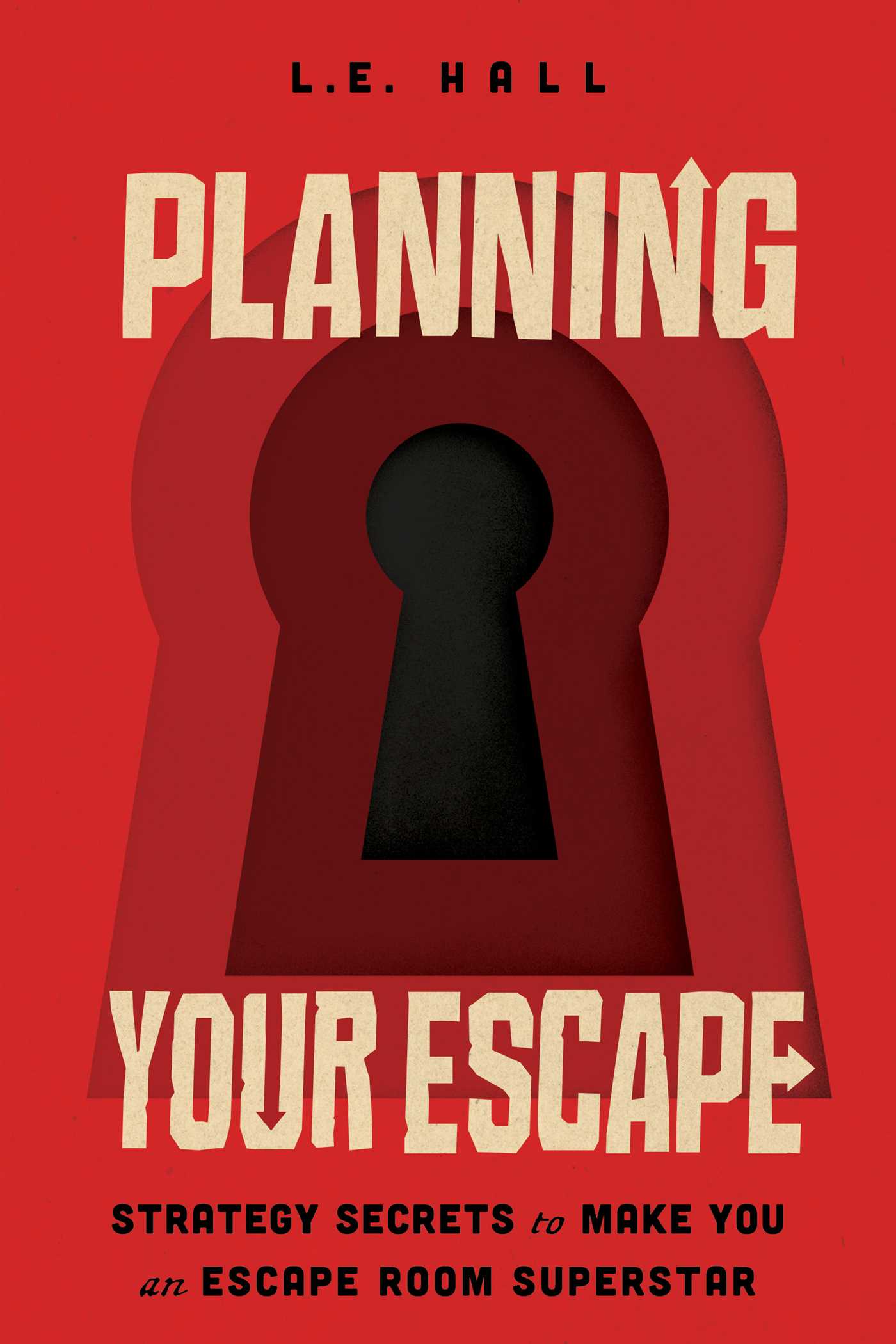
Three psychological mechanisms underlie the escape room experience: liminality (the transitional space where normal rules are suspended), flow state (deep concentration where action and awareness merge), and friction removal (eliminating obstacles between participant and experience). Together they explain why well-designed escape rooms produce lasting team bonds and personal insights, while poorly-designed ones feel like "just a game." (Ch. 2, Ch. 9)
Why This Matters
Without clear liminal thresholds, players never fully commit to the fictional frame. They remain spectators rather than participants, and the transformative potential collapses. Without flow-state calibration (right difficulty, right group size, right time pressure), the experience breaks into either boredom or frustration. Gaiman's distinction between "escapist" (passive avoidance) and "escape" (active refuge that equips you with "knowledge and armour and tools") sets the design bar for whether an experience is disposable or transformative. (Ch. 2, Ch. 9, Ch. 10)
Good Examples
Liminality as Architecture: Disney's entrance arch -- "HERE YOU LEAVE TODAY AND ENTER THE WORLD OF YESTERDAY, TOMORROW AND FANTASY" -- is a literal threshold marker. Main Street creates an idealized transition zone that eases the visitor from ordinary reality into fantasy. Escape rooms inherit this principle: the quality of the threshold determines how fully players commit. (Ch. 3)
Flow Theory at ParaPark: Founder Attila Gyurkovics explicitly built escape rooms to induce Csikszentmihalyi's flow state. Six factors: intense focused concentration, merging of action and awareness, loss of self-consciousness, sense of personal control, time distortion, intrinsic reward. "That loss of the self, forgetting everyday little things. Time seems fast or slow, distorted." (Ch. 9)
Sleep No More's Masks: The mask removes self-consciousness, transforms the audience member into a ghostly presence, and grants permission to behave differently. Without the mask, social anxiety overrides curiosity. Players need permission structures (narrative framing, role assignment, game master encouragement) to engage fully. (Ch. 7)
Counterpoints
Breaking Immersion Through Logistics: Visible logistics (trash cans, reset mechanisms, awkward briefings) cause cognitive interruption. Hidden logistics maintain unbroken attention. Players spend cognitive resources on logistics instead of puzzles when friction is present. (Ch. 3)
Wrong Difficulty = Broken Flow: Sixty minutes is calibrated to human attention and social endurance: "enough time to get involved in the activity but not for frustration to start in the group, or for group cohesion to weaken because people get tired." Too short and players cannot reach flow; too long and fatigue erodes it. (Gyurkovics, Ch. 9)
Optimal Group Size Violations: Below 5-7 people, information flows freely. Above it, cliques form, scapegoating begins, and group cohesion breaks down. Larger groups fail because communication overhead exceeds the group's capacity to manage it. (Ch. 9)
Key Quotes
"People come together to play, they understand the new rules of the temporary situation, they complete the game, and the temporary situation ends, with the understanding that rules of the world now return to normal." -- L.E. Hall, Chapter 2
"That loss of the self, forgetting everyday little things. Time seems fast or slow, distorted." -- Attila Gyurkovics, Chapter 9
"The difference between immersive experience and traditional experience is the presence of a viewing port, proscenium, or a frame with which to take in the experience." -- Sara Thacher, Chapter 7
Rules of Thumb
- Clear entry and exit thresholds are what make an experience feel transformative rather than trivial
- Flow requires calibrated difficulty: not so easy players disengage, not so hard they frustrate
- Optimal group size is 5-7; above this, communication overhead destroys cohesion
- One hour is the flow window -- calibrated to attention and social endurance, not commercial convenience
- Every visible logistical element (briefing cards, reset switches, staff walkie-talkies) is friction that breaks immersion
- Permission structures (masks, roles, narrative framing) overcome the social anxiety that prevents full engagement
Related References
- Design Lineage: From Ancient Play to Escape Rooms - The ancestral traditions that refined these mechanisms
- Core Framework: Communication Over Cleverness - The thesis about transformation through collaboration
- Game Design Fundamentals - How to calibrate difficulty and flow in your own designs