Key Principle
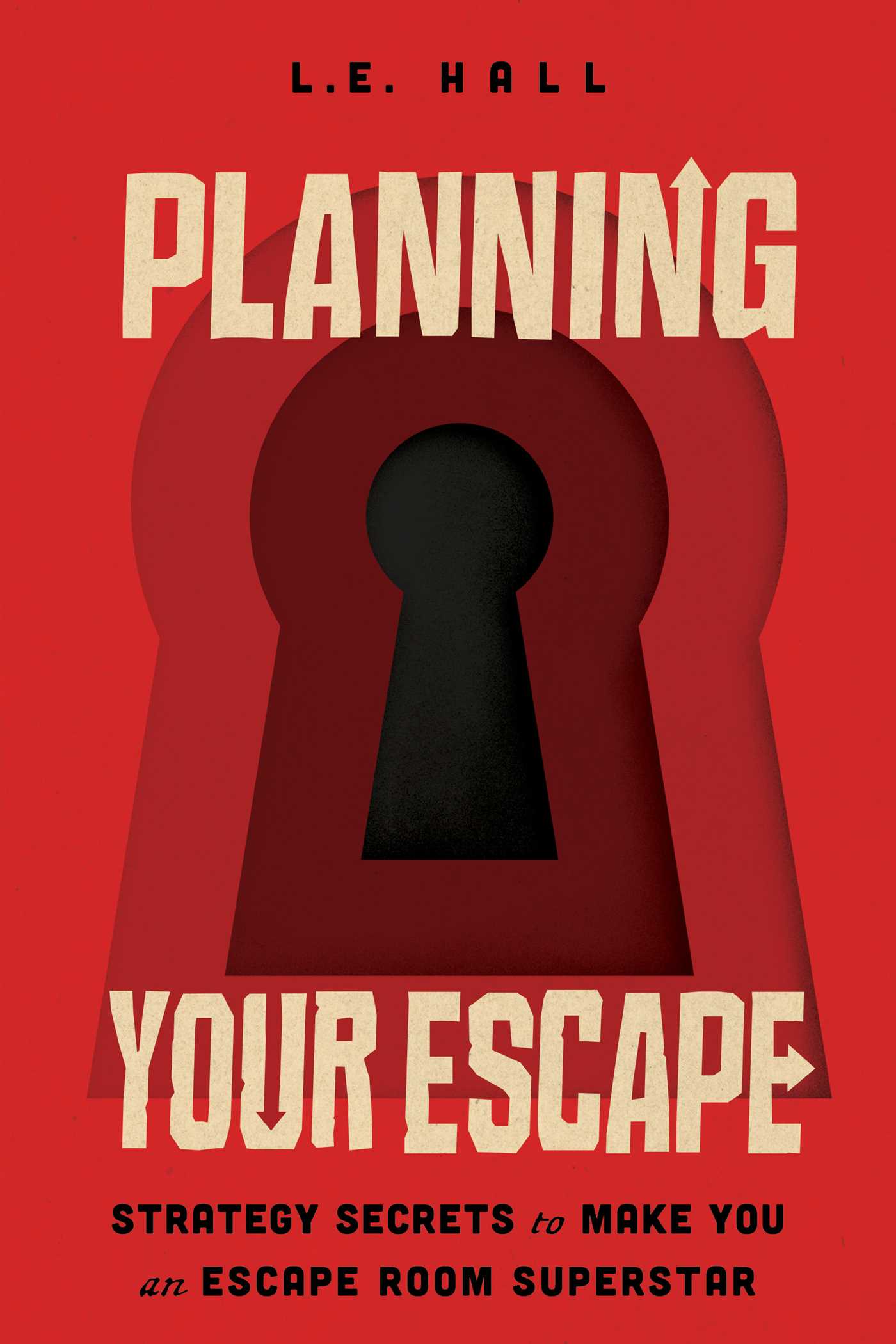
Escape rooms are collaborative play demanding communication and team coordination over individual intellect. The single most important skill is deliberate, continuous verbal sharing of discoveries. A team with mediocre puzzle skills but excellent communication will outperform a team of brilliant soloists who do not share information. (Ch. 12)
Why This Matters
Without understanding that escape rooms are fundamentally about communication under constraint, players optimize for the wrong thing -- individual brilliance instead of team coordination. Escape rooms distribute information spatially: clues are found by different people in different locations, and solutions require combining information held by multiple players. If finding happens but sharing does not, the team has all the pieces but can never assemble them. Information hoarding (even unintentional) is the primary failure mode. (Ch. 12, Ch. 21)
Good Examples
The Crucible Effect: Time pressure plus collaborative demands strip away social performance. Communication patterns, leadership instincts, and stress responses surface that are normally hidden. "An escape room is a kind of crucible: it's a high-pressure environment, and you really get to see people's true personalities emerge." (Ch. 12)
Asymmetric Information Games: Games like Tick Tock: A Tale for Two give each player information the other needs. Success becomes literally impossible without communication -- the puzzle cannot be solved by any single player regardless of skill. This is communication-as-core-mechanic made structurally explicit. (Ch. 11)
The Transformation Thesis: "You enter the game as individuals and come out on the other side as a team." The skills surfaced under pressure -- assessing information, communicating findings, deciding quickly -- are the skills that transfer to real-world collaboration. (Introduction)
Counterpoints
The Lone Genius Fallacy: Treating escape rooms as an intelligence test causes players to work in parallel isolation, duplicating effort and missing cross-clue connections. The room does not get harder; the team gets worse. (Ch. 12)
Passive Spectating: Players who treat escape rooms as spectacles rather than collaborative projects fail because the experience only works through active engagement. The participant-as-creator ethos from Burning Man applies directly: consumption without participation produces nothing. (Ch. 7)
Optimizing for Spectacle Over Transformation: Gaiman's distinction between "escapist" (passive avoidance) and "escape" (returning with "knowledge and armour and tools") sets the design bar. If escape rooms merely divert, they are disposable. If they build transferable skills, they transform. (Ch. 10)
Key Quotes
"Escape rooms are the perfect exercises in communicating, assessing information, and making decisions quickly." -- L.E. Hall, Introduction
"You enter the game as individuals and come out on the other side as a team." -- L.E. Hall, Introduction
"If everyone's finding information, but nobody's sharing it, you're going to be in trouble." -- L.E. Hall, Chapter 12
"I think that pretty much every form of fiction (I'd include fantasy, obviously) can actually be a real escape from places where you feel bad, and from bad places." -- Neil Gaiman, Chapter 10
Rules of Thumb
- Communication is the multiplier -- prioritize information sharing over individual solving speed
- If you found something, say it aloud immediately, even if you do not know its purpose
- Under pressure, poor communicators hoard information, duplicate work, and talk past each other
- The bottleneck is always information flow between team members, not raw intellect
- Reframe failure as information: "Losing and learning from mistakes, and trying again and again, is a big theme in escape rooms" (Ch. 12)
Related References
- Team Dynamics and Player Archetypes - Role taxonomy for diagnosing communication breakdowns
- Hints, Communication Rules, and the Five-Minute Rule - Operational protocols for team information sharing
- Common Mistakes and Red Herrings - What kills teams from the GM's perspective
- Implementation Playbook - Pre-game alignment that prevents communication failures