Key Principle
The EGAT Formula (Examine, Gather, Assess, Test) is a repeatable four-phase cycle that converts the initial chaos of a new escape room into structured action. Combined with the Four-Step Puzzle Attack (pattern recognition, code identification, iterative abstraction, output assessment) and Working Backward from Endpoints, it forms a complete puzzle-solving methodology. (Ch. 20, Ch. 23)
Why This Matters
Without a systematic approach, players face undifferentiated chaos. They try to solve with mismatched components, waste time on impossible combinations, and generate answers with no target format. EGAT's power lies in the Gather-then-Assess sequence: without centralization first, assessment happens in isolation -- Player A groups their three clues while Player B's two clues (which complete the set) sit unseen across the room. (Ch. 20)
Good Examples
EGAT in Action: (1) Examine -- systematic sensory sweep, look high/low, touch everything with finger-strength pressure to build a mental inventory. (2) Gather -- centralize all movable items to a single surface so the full information set is visible to all teammates. (3) Assess -- group items by similarity, identify solve endpoints (locks, keypads, slots), separate solvable-now from gated-for-later. (4) Test -- try solutions, press buttons, enter codes, observe reactions that trigger the next cycle. (Ch. 20)
Four-Step Puzzle Attack: A stack of playing cards with red, black, and blue backs -- sorting by color reveals five cards per set. Even/odd numbers yield two states; five elements per group confirms binary. Three posters in red-black-blue order indicate sequence. Decoded letters spell "ACE." (Ch. 23)
Working Backward: A five-digit padlock tells you to look for five numbers; a key lock tells you to find a key. "There are only so many ways to lock a box." Cataloging all locks at the start constrains the search space dramatically. (Ch. 24)
Counterpoints
Solving Without an Endpoint: Without endpoint identification, search is unconstrained. Players solve puzzles without knowing what output to look for. Always identify the lock/input mechanism first. (Ch. 24)
Premature Testing: Digital safes with number pads may lock out after wrong guesses. "A game should warn you if there is some sort of penalty attached." Test freely on padlocks but be confident before entering codes on digital inputs. (Ch. 23)
Ignoring Gating: Players spend minutes trying to solve puzzles they literally cannot solve yet, then feel stupid when the answer was locked behind a different puzzle. Recognizing a gated element lets you set it aside without frustration. (Ch. 20)
Key Quotes
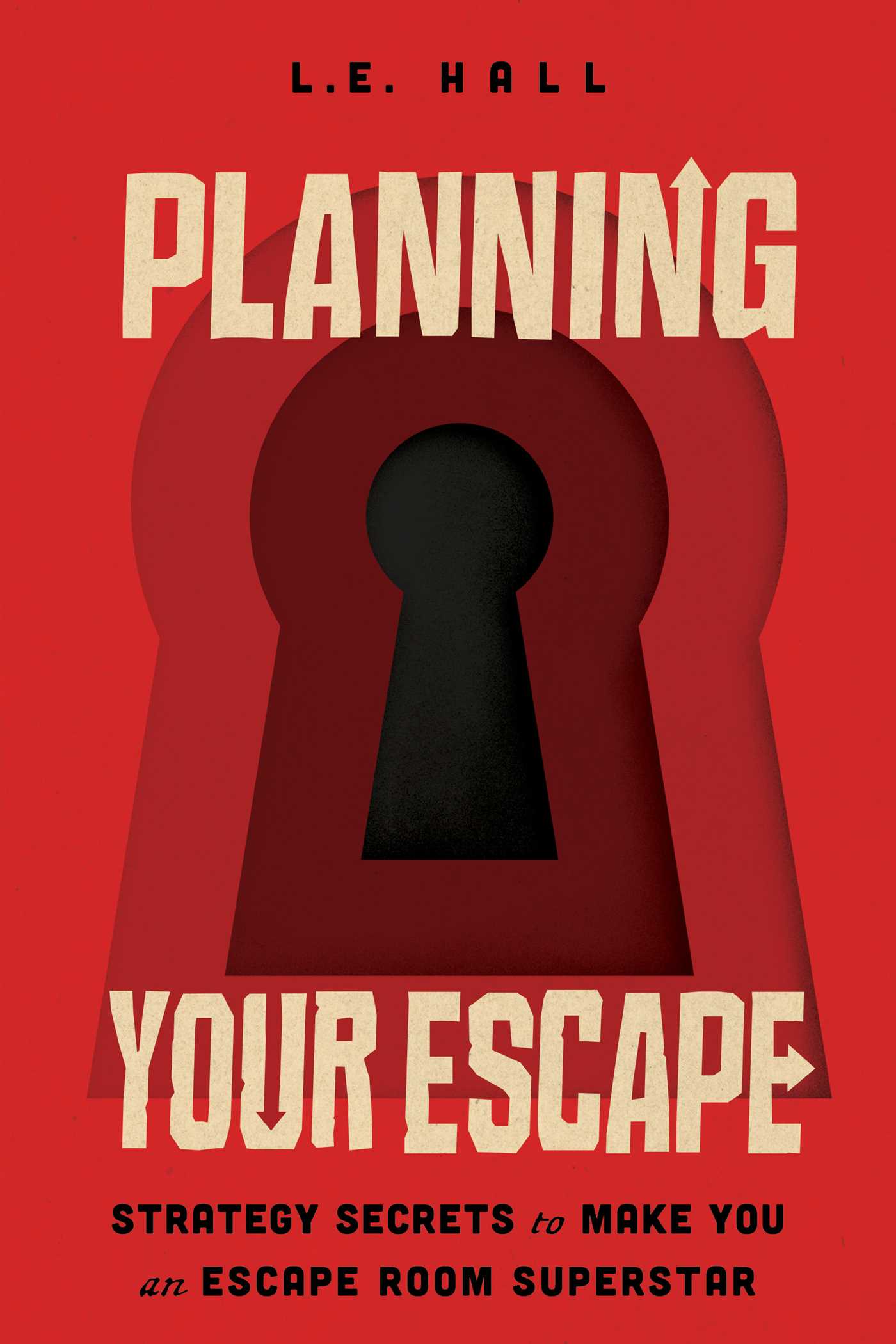
"A gate is a part of a puzzle design that restricts your access to further information or to an item that will advance you in a game." -- L.E. Hall, Chapter 20
"There are only so many ways to lock a box." -- L.E. Hall, Chapter 24
"Your goal is always to get more information. Trying a guess in the lock gives you information, even if it isn't the right answer." -- L.E. Hall, Chapter 23
"There's no penalty for trying a number on a padlock, for example." -- L.E. Hall, Chapter 23
Rules of Thumb
- Run EGAT cyclically: solving one puzzle often reveals new elements that restart the Examine phase
- Always identify the lock/input type before trying to solve -- work backward from the endpoint
- Use finger-strength only to test whether objects are movable; if you must brace or yank, it is fixed (Ch. 20)
- Group items by shared properties (color, shape, size) before attempting to decode
- Test early and freely on padlocks -- each attempt gives information
- If a puzzle seems unsolvable, it may be gated behind a prerequisite you have not completed yet
- Five elements from two symbol types = binary; 2x3 dot grid = braille; variable-length dot-dash = Morse (Ch. 25)
Related References
- Codes, Ciphers, and Lock Types - Recognition cues for encoding systems and lock catalog
- Hints, Communication Rules, and the Five-Minute Rule - When to stop solving and ask for help
- Common Mistakes and Red Herrings - Premature method dismissal and pareidolia
- Implementation Playbook - How EGAT fits into the full play sequence